Cake Decorating with Fondant: A Complete Guide to Stencils and Sugar Art
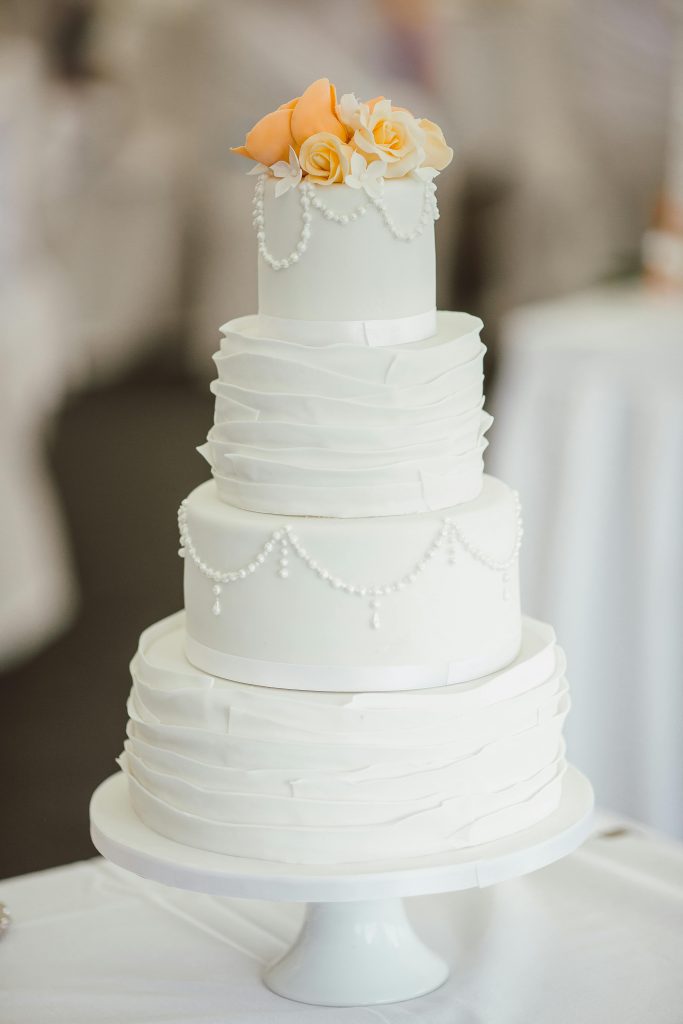
Cake decorating with fondant has transformed the world of baking into a true form of edible artistry. From smooth, elegant wedding cakes to bold, creative celebration designs, fondant allows decorators to create clean finishes, intricate textures, and detailed patterns that are difficult to achieve with buttercream alone.
In this guide, we’ll explore how fondant is used in modern cake decorating, with a special focus on fondant stencils and sugar art—two techniques that elevate cakes from simple desserts to professional showpieces.
What Is Fondant in Cake Decorating?
Fondant is a soft, pliable sugar paste used to cover cakes or create decorative elements. It provides a smooth, polished surface that acts as a blank canvas for artistic designs. Unlike frosting, fondant can be rolled thin, shaped, textured, and colored with precision.
Professional bakers and home decorators alike use fondant to:
- Create flawless cake finishes
- Add decorative accents like bows, flowers, and figures
- Apply detailed patterns using stencils
- Build layered sugar art designs
Fondant’s versatility is what makes it a favorite in high-end cake decorating.
Why Fondant Is Ideal for Detailed Cake Designs
Fondant holds its shape well, making it ideal for detailed decoration techniques. It dries slightly on the surface while remaining flexible underneath, which allows decorators to work with precision without cracking or melting.
Key advantages of fondant include:
- Smooth, professional appearance
- Easy color blending and customization
- Compatibility with molds, cutters, and stencils
- Perfect base for sugar art techniques
These qualities make fondant especially effective when paired with stenciling and artistic sugar decorations.
Using a Fondant Stencil for Stunning Cake Designs
A fondant stencil is one of the easiest ways to achieve intricate, repeatable patterns on a cake. Stencils are typically made from food-safe plastic and can be used with edible dusts, royal icing, or soft fondant overlays.
How to Use a Fondant Stencil
- Ensure the fondant-covered cake is smooth and firm
- Secure the stencil gently against the cake surface
- Apply edible dust, royal icing, or colored sugar paste
- Carefully lift the stencil to reveal a clean pattern
Fondant stencils are perfect for:
- Wedding cakes with lace-style patterns
- Modern geometric designs
- Floral and vintage textures
- Branded or themed cake elements
Because stencils create consistent results, they are widely used by professional cake decorators and beginners alike.
Sugar Art: Turning Cakes into Edible Masterpieces
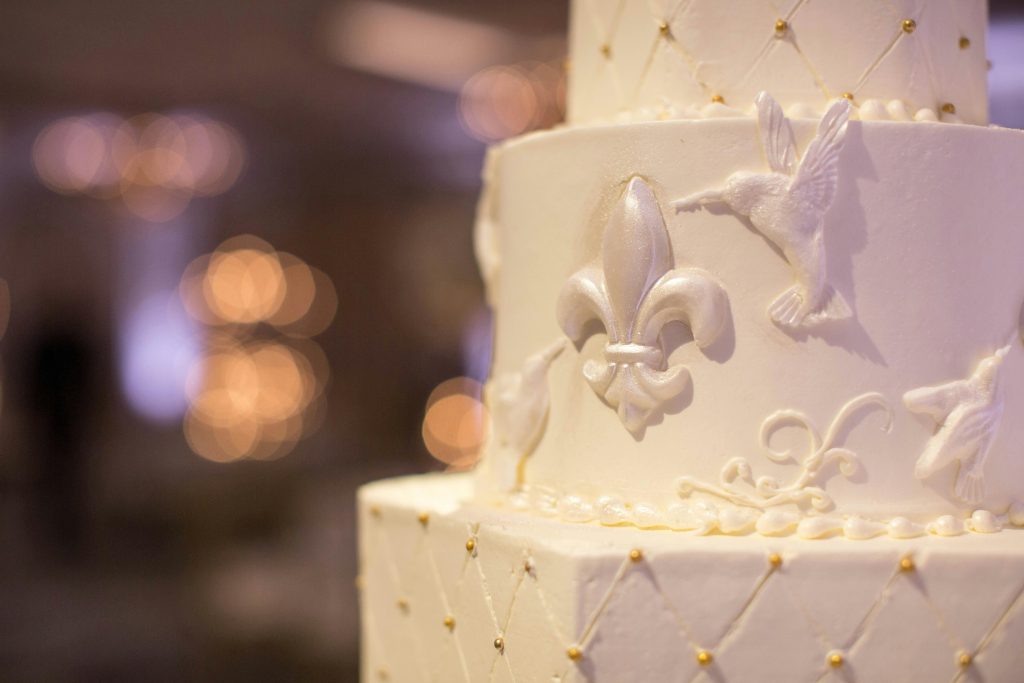
Sugar art refers to the creative use of sugar-based materials—such as fondant, gum paste, and edible paints—to create artistic cake decorations. This technique combines craftsmanship and imagination, allowing decorators to design everything from realistic flowers to abstract textures.
Popular sugar art techniques include:
- Hand-sculpted fondant figures
- Painted fondant designs using edible colors
- Layered stencil patterns with shading and depth
- Raised sugar art elements for 3D effects
Sugar art transforms cakes into visual centerpieces, often making them the highlight of weddings, birthdays, and special events.
Combining Fondant Stencils and Sugar Art
The most striking cake designs often combine fondant stencils with sugar art techniques. For example, a stencil can be used to create a repeating background pattern, while hand-crafted sugar flowers or metallic accents add depth and dimension.
This combination allows decorators to:
- Achieve professional-level designs efficiently
- Add texture without overwhelming the cake
- Create visually rich, layered decorations
- Customize cakes for any theme or occasion
Using both techniques together balances precision and creativity.
Tips for Professional-Looking Fondant Cakes
To get the best results when working with fondant, stencils, and sugar art, keep these tips in mind:
- Always work on a clean, smooth fondant surface
- Use minimal moisture to avoid sticking or smudging
- Practice stencil placement before applying color
- Allow sugar art elements to dry fully before attaching
- Choose high-quality fondant for better elasticity and finish
These small details make a big difference in the final result.
Final Thoughts
Cake decorating with fondant is more than just baking—it’s an art form. With the use of fondant stencils and creative sugar art, decorators can create cakes that are elegant, expressive, and unforgettable. Whether you’re a beginner or a seasoned professional, mastering these techniques opens the door to endless design possibilities.
As cake trends continue to evolve, fondant-based sugar art remains a timeless skill that blends tradition, creativity, and modern design.
Browse our range of fondant stencils.